Can a Full-Body MRI Detect Cancer Before Symptoms Appear? A Complete Guide to Early Detection, Hidden Risks, and Preventive Health Screening
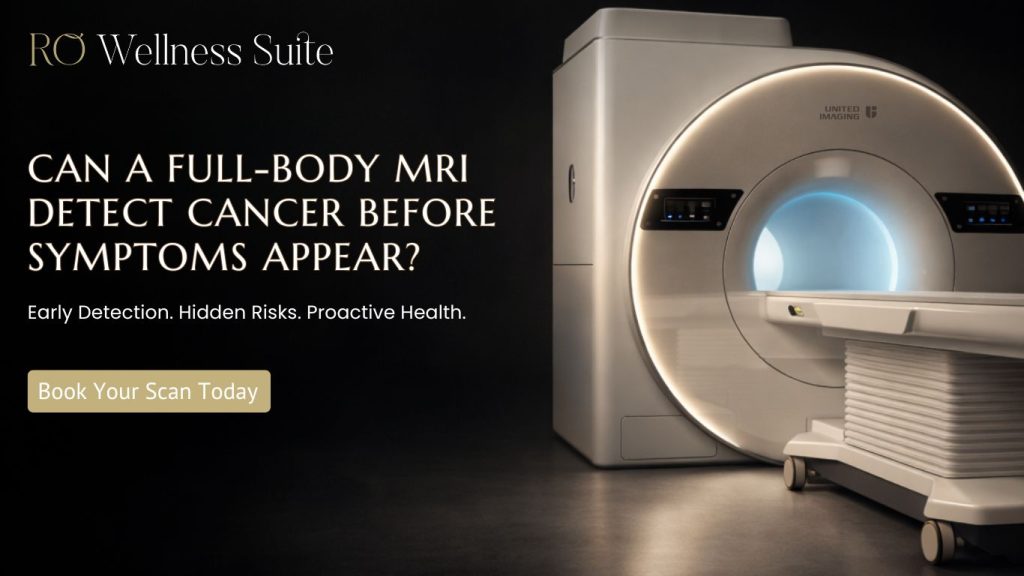
Quick Answer
Yes, a full-body MRI can detect certain cancers before symptoms appear by identifying abnormal tissues, tumors, organ changes, and other potential warning signs throughout the body. However, no screening test can detect every type of cancer, and MRI does not replace routine screenings such as mammograms or colonoscopies. At RO Wellness Suite in Sugar Land, Texas, full-body MRI screening forms part of a comprehensive preventive health approach that combines advanced imaging, genetic insights, and personalized health planning to help individuals identify potential health risks as early as possible.
Key Takeaways
A full-body MRI may detect certain cancers before symptoms develop, often when treatment options remain broader and outcomes may be more favorable.
MRI uses powerful magnets and radio waves, not ionizing radiation, making it a radiation-free imaging option.
Full-body MRI can help identify abnormalities in organs, soft tissues, blood vessels, and other areas throughout the body.
While MRI can detect many potential concerns, no screening method can find every cancer or guarantee a diagnosis.
Individuals with a family history of cancer, adults over 40, executives, athletes, and health-conscious adults often consider preventive MRI screening.
Full-body MRI may also reveal other hidden health conditions, including aneurysms, fatty liver disease, organ abnormalities, and certain cardiovascular risks.
RO Wellness Suite in Sugar Land serves Houston-area residents with a proactive health screening model that combines full-body MRI, biomarker analysis, genetic testing, and personalized preventive care.
Why Some Cancers Develop Without Symptoms for Years
Many people assume cancer always causes pain, fatigue, weight loss, or other obvious warning signs. However, some cancers can grow quietly for months or even years before they trigger noticeable symptoms. During this time, abnormal cells may continue to develop and spread while a person feels completely healthy.
This reality explains why preventive health screening and early cancer detection have become increasingly important. Instead of waiting for symptoms to appear, more adults now take a proactive approach to understanding their health and identifying potential risks earlier.
The Challenge of Silent Cancer
Cancer does not always announce its presence. In many cases, tumors begin in areas of the body where they have enough space to grow without immediately affecting normal function.
For example, certain cancers involving the kidneys, liver, pancreas, ovaries, and brain may not produce symptoms during their earliest stages. Some individuals discover these conditions only after imaging tests reveal unexpected abnormalities.
This challenge makes silent cancer one of the biggest concerns in modern healthcare. By the time symptoms appear, a tumor may already have grown significantly. While every cancer behaves differently, earlier identification often creates more opportunities for evaluation, treatment planning, and ongoing monitoring.
As a result, many health-conscious adults now explore advanced screening options such as full-body MRI scans as part of a broader preventive health strategy.
Why Early Detection Matters
Early detection gives people information before a health concern progresses further. Although no screening method can prevent cancer or guarantee a diagnosis, identifying abnormalities sooner often allows physicians to investigate concerns at an earlier stage.
This proactive approach has fueled growing interest in MRI for early cancer detection, preventive cancer screening, and comprehensive health assessments.
A full-body MRI can evaluate multiple regions of the body during a single scan. In some cases, it may identify suspicious findings, organ abnormalities, or tissue changes before symptoms develop. Physicians can then determine whether additional testing or follow-up care is necessary.
For many individuals, the goal is not simply to search for cancer. The goal is to gain a clearer understanding of overall health and uncover hidden risks before they become larger problems.
Which People Face Higher Risk?
While anyone can develop cancer, certain factors may increase risk over time.
Individuals who may benefit from discussing preventive health screening with their healthcare provider include:
Adults over age 40
Adults over age 50
People with a family history of cancer
Individuals with known genetic risk factors
Current or former smokers
People with obesity or metabolic health concerns
Individuals exposed to environmental or occupational hazards
Executives and professionals with high-stress lifestyles
People seeking a proactive approach to long-term health and longevity
Many Houston and Sugar Land residents now prioritize early disease detection as part of a broader wellness strategy. Instead of waiting for symptoms to appear, they choose to monitor their health through advanced screening technologies and personalized preventive care.
Quick Answer: Can Cancer Be Detected Before Symptoms Appear?
Yes. Some cancers can be identified before symptoms develop through appropriate screening and diagnostic imaging. While no test can detect every cancer or guarantee early diagnosis, advanced technologies such as full-body MRI may reveal certain tumors, tissue abnormalities, or organ changes before noticeable symptoms occur. This proactive approach helps individuals and healthcare providers investigate potential concerns earlier and make more informed health decisions.
Can a Full-Body MRI Detect Cancer Before Symptoms Appear?
A growing number of people now ask the same question: Can a full-body MRI detect cancer before symptoms appear?
The answer is yes—a full-body MRI can identify certain cancers and abnormal findings before noticeable symptoms develop. However, MRI does not detect every type of cancer, and it does not replace recommended screenings such as mammograms, colonoscopies, or other physician-guided tests.
Instead, a full-body MRI serves as a powerful preventive health screening tool that helps physicians evaluate multiple areas of the body for potential concerns. When combined with genetic testing, biomarker analysis, and personalized risk assessment, it can provide valuable insights into an individual’s overall health.
At RO Wellness Suite in Sugar Land, Texas, preventive screening focuses on helping individuals uncover hidden health risks earlier, allowing for more informed healthcare decisions and proactive health management.
How MRI Technology Works
Magnetic Resonance Imaging (MRI) uses powerful magnets, radio waves, and advanced computer technology to create detailed images of organs, tissues, muscles, blood vessels, and other structures throughout the body.
Unlike CT scans and X-rays, MRI does not use ionizing radiation. As a result, many people seeking radiation-free cancer screening choose MRI as part of their preventive healthcare strategy.
The technology captures highly detailed images that can reveal abnormalities that may not cause symptoms in their earliest stages. Radiologists then analyze these images to identify unusual findings that may require further evaluation.
Because MRI provides excellent soft-tissue contrast, it often plays an important role in detecting abnormalities involving the brain, liver, kidneys, pancreas, prostate, ovaries, lymphatic system, and other organs.
What MRI Can Reveal Before Symptoms Start
Many diseases begin developing long before symptoms become noticeable. A person may feel healthy while important changes occur inside the body.
A full-body MRI may reveal:
Suspicious masses or tumors
Organ abnormalities
Certain early-stage cancers
Enlarged lymph nodes
Cysts and benign growths
Vascular abnormalities
Fatty liver disease
Brain abnormalities
Spinal conditions
Hidden inflammatory changes
In some cases, MRI findings may lead to additional testing that confirms a diagnosis. In other cases, imaging may provide reassurance that no significant abnormalities exist.
This ability to identify potential concerns before symptoms appear explains why interest in MRI for early cancer detection, silent disease detection, and comprehensive preventive healthcare continues to grow across Houston, Sugar Land, and throughout Texas.
People with a family history of cancer, adults over 40, executives, professionals, athletes, and health-conscious individuals often seek advanced screening options to better understand their long-term health risks.
What Makes Full-Body MRI Different?
Traditional medical imaging typically focuses on one specific body part after symptoms appear. A physician may order a brain MRI for headaches, a knee MRI for joint pain, or an abdominal scan for digestive symptoms.
A full-body MRI takes a different approach.
Instead of investigating a single symptom, it evaluates multiple regions of the body during one comprehensive examination. This broader perspective helps identify abnormalities that might otherwise remain undetected.
For many individuals, the value extends beyond cancer detection. A full-body MRI may uncover hidden diseases, cardiovascular concerns, organ abnormalities, neurological findings, or other health risks that deserve further attention.
At RO Wellness Suite, the approach goes beyond imaging alone. The ExtendLife Scan combines advanced MRI technology with genetic testing, biomarker analysis, and personalized health planning. This comprehensive model supports proactive health management rather than reactive treatment after symptoms develop.
As preventive medicine and longevity-focused healthcare continue to evolve, more individuals now view advanced screening as an important part of long-term health optimization.
Quick Answer: Can MRI Find Cancer Early?
Yes. A full-body MRI can detect certain cancers and abnormal findings before symptoms appear by producing detailed images of organs, soft tissues, and other structures throughout the body. While MRI cannot detect every cancer and does not replace routine screenings, it may help identify suspicious abnormalities early enough to support further evaluation, earlier intervention, and more proactive healthcare decisions.
What Cancers Can a Full-Body MRI Detect?
One of the most common questions people ask is: What cancers can a full-body MRI detect?
A full-body MRI can help identify abnormalities that may suggest the presence of certain cancers in various organs and tissues throughout the body. However, MRI does not diagnose cancer on its own. Instead, it detects suspicious findings that may require additional evaluation, follow-up imaging, laboratory testing, or biopsy.
Because MRI provides exceptional visualization of soft tissues, it often plays an important role in identifying abnormalities in areas where early symptoms may not be obvious.
Brain Cancer
Brain tumors often develop without immediate symptoms, especially during their earliest stages. A full-body MRI can identify abnormal masses, structural changes, or suspicious lesions within the brain that deserve further investigation.
Since MRI produces highly detailed images of brain tissue, it remains one of the most valuable imaging tools for evaluating neurological abnormalities.
Liver Cancer
Liver cancer may remain undetected for long periods because early symptoms often appear late in the disease process.
MRI can help identify:
Suspicious liver lesions
Abnormal masses
Structural liver changes
Certain vascular abnormalities
In addition, MRI may reveal other liver-related concerns, including fatty liver disease and signs of chronic liver damage.
Kidney Cancer
Kidney tumors frequently produce few symptoms during their earliest stages.
A full-body MRI may detect:
Kidney masses
Abnormal growths
Structural abnormalities
Cysts that require monitoring
Many kidney abnormalities are discovered incidentally during imaging performed for unrelated reasons.
Pancreatic Cancer
Pancreatic cancer remains one of the most challenging cancers to identify early because symptoms often develop after the disease has progressed.
Although MRI cannot detect every pancreatic cancer, it can help visualize:
Pancreatic masses
Structural abnormalities
Duct-related changes
Suspicious lesions
For individuals with a family history of pancreatic cancer or elevated risk factors, preventive screening discussions become especially important.
Prostate Cancer
MRI has become an increasingly valuable tool in prostate evaluation.
A full-body MRI may identify abnormalities involving the prostate gland that warrant further assessment.
While MRI does not replace physician-guided prostate screening protocols, it can contribute important information when evaluating prostate health.
Ovarian Cancer
Ovarian cancer often earns the reputation of a “silent disease” because symptoms can remain subtle or nonspecific during early stages.
MRI can help detect:
Ovarian masses
Pelvic abnormalities
Structural changes
Suspicious findings requiring follow-up
Earlier identification of abnormalities may create more opportunities for timely evaluation and treatment planning.
Lymphoma
Lymphoma affects the lymphatic system, which extends throughout the body.
MRI may reveal:
Enlarged lymph nodes
Abnormal lymphatic structures
Soft tissue abnormalities
Findings that suggest further investigation
Because a full-body MRI evaluates multiple regions during one examination, it can provide a broader view of the lymphatic system than imaging limited to a single body area.
Soft Tissue Tumors
MRI excels at visualizing soft tissues.
As a result, it can help identify abnormalities involving:
Muscles
Connective tissues
Fat tissues
Tendons
Soft tissue masses
This strength makes MRI particularly useful when evaluating suspicious soft tissue findings that may not appear clearly on other imaging modalities.
Cancer Types Commonly Evaluated with MRI
| Cancer Type | Can MRI Help Detect? | Notes |
|---|---|---|
| Brain Cancer | Yes | MRI provides detailed brain imaging and may identify suspicious lesions. |
| Liver Cancer | Yes | Can reveal masses, lesions, and structural abnormalities. |
| Kidney Cancer | Yes | May detect tumors, cysts, and abnormal growths. |
| Pancreatic Cancer | Sometimes | Can identify certain abnormalities but may not detect every case. |
| Prostate Cancer | Yes | Frequently used to evaluate prostate abnormalities. |
| Ovarian Cancer | Yes | May reveal pelvic masses and suspicious findings. |
| Lymphoma | Yes | Can identify enlarged lymph nodes and lymphatic abnormalities. |
| Soft Tissue Tumors | Yes | Excellent visualization of muscles and connective tissues. |
| Lung Cancer | Limited | MRI has limitations; other screening methods may be more appropriate in certain situations. |
| Colon Cancer | Limited | MRI does not replace recommended colon cancer screening procedures. |
Why Imaging Quality Matters
The ability to identify subtle abnormalities depends heavily on image quality, anatomical coverage, and radiologic interpretation.
At RO Wellness Suite in Sugar Land, Texas, full-body MRI screening utilizes advanced imaging technology designed to provide detailed visualization across multiple body systems. The center’s preventive screening approach combines comprehensive imaging with biomarker analysis, genetic insights, and personalized health planning to help individuals better understand their long-term health risks.
For Houston-area residents seeking proactive health screening, this integrated approach supports a more complete picture of health rather than focusing on a single symptom or organ system.
Quick Answer: What Cancers Can MRI Detect?
A full-body MRI can help identify abnormalities associated with several types of cancer, including brain cancer, liver cancer, kidney cancer, pancreatic cancer, prostate cancer, ovarian cancer, lymphoma, and certain soft tissue tumors. However, MRI cannot detect every cancer, and no imaging test guarantees a diagnosis. Physicians use MRI findings alongside medical history, laboratory results, and additional testing to determine the next steps when suspicious abnormalities appear.
What Cancers Can MRI Miss?
A full-body MRI offers valuable insights into many areas of the body. However, it is important to understand its limitations. No screening tool can detect every cancer, and no imaging technology can guarantee a diagnosis.
This reality does not reduce the value of preventive MRI screening. Instead, it helps patients make informed decisions and sets realistic expectations. The most effective approach combines advanced imaging, physician guidance, appropriate routine screenings, and ongoing health monitoring.
Understanding what MRI can and cannot detect strengthens preventive healthcare and supports better long-term outcomes.
Why No Screening Test Detects Everything
Every cancer behaves differently.
Some cancers grow slowly and create visible structural changes that imaging can detect. Others develop at a microscopic level long before they form a mass large enough to appear on a scan.
In addition, cancer can develop in different tissues, organs, and cellular environments. As a result, physicians use multiple screening methods rather than relying on a single test.
For example:
Mammograms remain important for breast cancer screening.
Colonoscopies remain important for colon cancer screening.
Low-dose CT scans may play a role in lung cancer screening for eligible individuals.
Blood-based tests may provide additional clinical information.
Genetic testing can help identify inherited cancer risks.
A full-body MRI works best as part of a comprehensive preventive health strategy rather than a replacement for recommended medical screenings.
MRI Limitations
MRI excels at visualizing soft tissues, organs, blood vessels, muscles, and many internal structures. However, some cancers remain difficult to identify during their earliest stages.
MRI may have limitations when evaluating:
Very small tumors
Microscopic cancer cells
Certain early-stage cancers
Rapidly developing abnormalities
Conditions that do not produce visible structural changes
Certain lung abnormalities that may require different imaging approaches
This explains why healthcare providers often recommend additional testing when MRI findings raise concerns.
The goal of MRI screening is not to provide a definitive cancer diagnosis. The goal is to identify suspicious abnormalities that deserve further evaluation.
At RO Wellness Suite, preventive screening focuses on creating a broader understanding of health. Advanced full-body MRI imaging, biomarker testing, genetic insights, and personalized health assessments work together to provide a more comprehensive picture of potential health risks.
False Positives and False Negatives
One of the most important concepts in preventive imaging involves understanding false positives and false negatives.
What Is a False Positive?
A false positive occurs when MRI identifies an abnormality that appears concerning but later proves to be noncancerous.
Examples may include:
Benign cysts
Noncancerous growths
Scar tissue
Inflammatory changes
Harmless anatomical variations
While false positives can create anxiety, they often lead to additional testing that helps clarify the findings.
What Is a False Negative?
A false negative occurs when a scan does not identify a cancer that is actually present.
This can happen when:
A tumor remains extremely small
The abnormality lacks clear imaging characteristics
The disease develops at a microscopic level
The cancer falls outside the strengths of MRI-based imaging
For this reason, physicians never rely on imaging alone when evaluating health concerns.
Medical history, symptoms, family history, laboratory testing, genetic information, physical examinations, and follow-up assessments all contribute to a complete evaluation.
Why Transparency Matters in Preventive Health Screening
The most trustworthy preventive health programs explain both benefits and limitations.
A high-quality full-body MRI can reveal hidden abnormalities, support early disease detection, and provide valuable information before symptoms appear. At the same time, responsible providers acknowledge that no screening test offers perfect accuracy.
This balanced approach helps individuals make informed decisions about their health while avoiding unrealistic expectations.
For residents seeking full-body MRI screening in Houston, Sugar Land, and across Texas, the goal should not be finding a “perfect” test. The goal should be building a proactive health strategy that combines advanced imaging, evidence-based screening recommendations, and personalized risk assessment.
Quick Answer: What Cancers Can MRI Miss?
MRI can miss certain cancers, particularly very small tumors, microscopic cancers, early-stage abnormalities, and some conditions that do not create visible structural changes on imaging. While full-body MRI can help identify many potential health concerns, it cannot detect every cancer and should complement—not replace—recommended screenings such as mammograms, colonoscopies, physician evaluations, and risk-based testing.
MRI vs CT Scan vs PET Scan for Cancer Detection
When researching cancer screening and early disease detection, many people compare MRI, CT scans, and PET scans. Each technology serves a different purpose, and each offers unique strengths.
The question is not which test is “best.”
The real question is: Which test fits your specific health goals, risk factors, and clinical situation?
Understanding these differences helps individuals make informed decisions about preventive health screening and cancer detection.
MRI vs CT Scan
MRI and CT scans both create detailed images of the body. However, they use very different technologies.
A CT scan uses X-rays to generate cross-sectional images. Physicians often use CT imaging in emergency situations because it works quickly and provides excellent visualization of bones, lungs, and certain internal structures.
MRI uses powerful magnetic fields and radio waves rather than ionizing radiation. This makes MRI an attractive option for people seeking radiation-free cancer screening and preventive health assessments.
MRI often provides superior visualization of:
Brain tissue
Liver structures
Kidneys
Pancreas
Prostate
Ovaries
Soft tissues
Muscles
Blood vessels
Spinal structures
CT scans often perform better when evaluating:
Lung abnormalities
Bone structures
Acute trauma
Emergency conditions
Certain calcified lesions
For individuals interested in full-body MRI screening, the ability to evaluate multiple organs and soft tissues without radiation remains a significant advantage.
MRI vs PET Scan
PET scans and MRI scans serve different purposes.
MRI primarily shows anatomy and structure.
PET scans primarily show metabolic activity.
A PET scan uses a radioactive tracer that highlights areas of increased cellular activity. Because cancer cells often consume more energy than normal cells, PET imaging can help identify suspicious metabolic patterns.
MRI, on the other hand, provides detailed images of organs, tissues, and anatomical structures.
In many clinical situations, physicians may use both technologies together because they provide complementary information.
PET scans may help:
Evaluate known cancers
Assess treatment response
Detect metastatic disease
Investigate suspicious findings
MRI may help:
Detect structural abnormalities
Evaluate soft tissue changes
Investigate suspicious masses
Support preventive health screening
Assess multiple organ systems
For healthy adults pursuing proactive health screening, MRI often plays a larger role in preventive imaging because it can evaluate numerous body regions without radiation exposure.
Which Test Fits Which Situation?
The right imaging test depends on the clinical goal.
Someone with symptoms, a known diagnosis, or physician-directed concerns may require a completely different imaging strategy than someone seeking preventive screening.
Individuals looking for:
Early disease detection
Preventive health screening
Comprehensive health assessments
Radiation-free imaging
Whole-body evaluation
Long-term health optimization
often explore full-body MRI as part of a broader preventive healthcare plan.
At RO Wellness Suite in Sugar Land, Texas, preventive screening focuses on helping individuals identify potential health risks before symptoms develop. The center combines advanced full-body MRI technology, biomarker analysis, genetic testing, and personalized health planning to provide a more complete picture of health.
RO Wellness Suite utilizes advanced MRI technology, including the uMR Omega platform, which supports high-quality imaging across multiple body systems. Combined with expert interpretation and comprehensive risk assessment, this approach helps Houston-area residents take a more proactive role in their long-term health.
MRI vs CT Scan vs PET Scan Comparison
| Feature | Full-Body MRI | CT Scan | PET Scan |
|---|---|---|---|
| Uses Radiation | No | Yes | Yes |
| Soft Tissue Visualization | Excellent | Good | Limited |
| Brain Imaging | Excellent | Good | Limited |
| Liver & Kidney Evaluation | Excellent | Good | Limited |
| Preventive Health Screening | Commonly Used | Less Common | Less Common |
| Whole-Body Assessment | Yes | Sometimes | Sometimes |
| Detects Structural Abnormalities | Excellent | Excellent | Limited |
| Detects Metabolic Activity | No | No | Excellent |
| Cancer Evaluation Support | Yes | Yes | Yes |
| Radiation-Free Option | Yes | No | No |
Quick Answer: MRI vs CT Scan vs PET Scan for Cancer Detection
MRI, CT scans, and PET scans each play important roles in cancer detection. MRI excels at visualizing soft tissues and supports radiation-free preventive health screening. CT scans provide rapid imaging and often evaluate lungs, bones, and emergency conditions. PET scans identify areas of increased metabolic activity and frequently help assess known cancers. The most appropriate imaging test depends on the individual’s health history, risk factors, symptoms, and screening goals.
What Else Can a Full-Body MRI Detect Besides Cancer?
Many people initially explore a full-body MRI because they want answers about cancer. However, one of the greatest benefits of comprehensive preventive screening is its ability to reveal a wide range of health conditions beyond cancer.
In fact, many individuals who undergo full-body MRI screening discover unexpected findings unrelated to cancer. These findings can provide valuable insights into long-term health and help guide preventive care decisions before symptoms develop.
A full-body MRI does not diagnose every condition. However, it can help identify abnormalities that deserve further evaluation and monitoring.
Heart Disease
Heart disease remains one of the leading health concerns worldwide. Unfortunately, many cardiovascular conditions develop silently for years before symptoms appear.
A full-body MRI may reveal findings associated with:
Enlarged blood vessels
Structural cardiovascular abnormalities
Vascular irregularities
Certain signs of cardiovascular risk
For many individuals, identifying these findings early creates an opportunity to discuss lifestyle modifications, additional testing, and preventive strategies with healthcare providers.
This proactive approach aligns closely with modern preventive medicine and longevity-focused healthcare.
Brain Aneurysms
Brain aneurysms often develop without warning signs.
Many people experience no symptoms until a serious complication occurs. Because of this, early identification becomes especially valuable.
MRI can help visualize:
Brain structures
Blood vessels
Certain vascular abnormalities
Suspicious neurological findings
Although not every aneurysm will appear during screening, advanced imaging may identify abnormalities that warrant additional neurological evaluation.
For health-conscious adults seeking early disease detection, this represents one of the most important benefits of comprehensive imaging.
Fatty Liver Disease
Fatty liver disease has become increasingly common due to modern lifestyle factors, obesity, insulin resistance, and metabolic health challenges.
Many individuals remain completely unaware they have fatty liver disease because symptoms often fail to appear during the early stages.
A full-body MRI may help identify:
Fat accumulation within the liver
Liver enlargement
Structural liver abnormalities
Signs that require further medical assessment
Because fatty liver disease can progress over time, early awareness allows individuals to take meaningful steps toward improving long-term liver health.
Organ Damage
The body’s organs can experience changes long before symptoms become obvious.
A full-body MRI may reveal abnormalities involving:
Liver
Kidneys
Pancreas
Spleen
Adrenal glands
Reproductive organs
Other internal structures
In some cases, these findings may represent benign conditions. In other situations, they may highlight areas that deserve further investigation.
This broader perspective helps individuals gain a clearer understanding of their overall health status rather than focusing on a single symptom or concern.
Spinal Abnormalities
Spinal issues often develop gradually.
Many people assume back pain serves as the first warning sign. However, structural changes may begin years before noticeable symptoms emerge.
MRI provides detailed visualization of:
Intervertebral discs
Spinal alignment
Nerve pathways
Soft tissues
Degenerative changes
As a result, preventive imaging may identify spinal abnormalities that otherwise remain hidden.
For athletes, professionals, executives, and active adults, understanding spinal health can become an important part of long-term wellness planning.
Silent Health Risks
Perhaps the greatest value of full-body MRI screening lies in its ability to uncover hidden health risks before symptoms develop.
These findings may include:
Benign cysts
Enlarged lymph nodes
Vascular abnormalities
Organ irregularities
Neurological findings
Inflammatory changes
Structural abnormalities requiring monitoring
Not every finding indicates a serious problem. However, awareness often leads to more informed healthcare decisions and earlier intervention when necessary.
At RO Wellness Suite in Sugar Land, Texas, preventive health screening goes beyond simply searching for disease. The goal involves creating a comprehensive understanding of each individual’s health profile.
Using advanced MRI technology, including the uMR Omega platform, alongside biomarker analysis, genetic testing, and personalized health planning, RO Wellness Suite helps Houston-area residents take a proactive approach to health optimization, longevity planning, and early disease detection.
Quick Answer: What Diseases Can a Full-Body MRI Detect Besides Cancer?
A full-body MRI may help identify a variety of health conditions beyond cancer, including certain cardiovascular abnormalities, brain aneurysms, fatty liver disease, organ abnormalities, spinal conditions, vascular irregularities, enlarged lymph nodes, cysts, and other silent health risks. While MRI does not diagnose every disease, it can reveal findings that support earlier evaluation, preventive healthcare decisions, and long-term health planning.
Who Should Consider a Full-Body MRI?
Not everyone needs the same health screening strategy. Age, family history, lifestyle, genetics, and personal health goals all influence the type of preventive care that may provide the greatest value.
A full-body MRI is not designed to replace routine medical care or physician-recommended screenings. Instead, it serves as an advanced preventive health tool that helps individuals gain deeper insights into their health before symptoms develop.
Many people choose full-body MRI screening because they want a proactive approach to health optimization, early disease detection, and long-term wellness planning.
Adults Over 40
Turning 40 often marks a significant shift in preventive healthcare.
Many chronic diseases, cardiovascular conditions, metabolic disorders, and certain cancers become more common during this stage of life. At the same time, many serious health issues continue to develop silently without obvious symptoms.
As a result, adults over 40 increasingly seek comprehensive health screenings that go beyond standard annual checkups.
A full-body MRI may appeal to individuals who want:
Early disease detection
Preventive cancer screening
Greater visibility into overall health
Baseline imaging for future comparisons
Proactive health management
For many healthcare-conscious adults, a full-body MRI ranks among the best health screenings after 40 because it evaluates multiple body systems during a single examination.
Adults Over 50
Health risks generally increase with age.
After age 50, the likelihood of developing certain cancers, cardiovascular conditions, neurological disorders, and metabolic diseases rises significantly.
Many adults in this age group prioritize preventive healthcare because they want to identify potential concerns before symptoms interfere with quality of life.
A full-body MRI may support:
Early cancer detection
Cardiovascular risk assessment
Detection of hidden health conditions
Monitoring of age-related changes
Long-term health planning
For adults seeking the best health screenings after 50, advanced imaging often becomes part of a broader preventive healthcare strategy that includes physician-guided screenings, laboratory testing, and lifestyle optimization.
Family History of Cancer
Family history remains one of the most important risk factors for many cancers.
Individuals with relatives who have experienced:
Breast cancer
Ovarian cancer
Prostate cancer
Pancreatic cancer
Colon cancer
Kidney cancer
Other hereditary cancers
often take a more proactive approach to health monitoring.
While a full-body MRI cannot prevent cancer or detect every abnormality, it may help identify suspicious findings that deserve further investigation.
Many individuals also combine MRI screening with genetic testing and cancer risk assessments to better understand inherited health risks.
At RO Wellness Suite, preventive screening programs may incorporate advanced imaging, genetic insights, and personalized health planning to support a more comprehensive understanding of individual risk factors.
Executives and Professionals
Busy professionals often focus on career growth, family responsibilities, and daily obligations while placing their health on the back burner.
Unfortunately, high-stress lifestyles, long work hours, limited recovery time, and sedentary habits can increase long-term health risks.
As a result, executive health screening has become increasingly popular among business leaders, entrepreneurs, physicians, attorneys, executives, and other professionals who value preventive healthcare.
A full-body MRI offers several advantages for this group:
Comprehensive evaluation in a single visit
Proactive health monitoring
Early identification of hidden risks
Support for long-term performance and wellness goals
For many Houston-area professionals, preventive screening represents an investment in both health and productivity.
Athletes
Athletes often appear healthy from the outside. However, hidden health issues can still develop beneath the surface.
Competitive athletes, fitness enthusiasts, endurance athletes, and active adults frequently seek advanced health assessments to gain a deeper understanding of their physical condition.
A full-body MRI may provide valuable information about:
Musculoskeletal health
Spinal conditions
Joint abnormalities
Soft tissue findings
Internal health concerns unrelated to athletic performance
Many athletes view preventive screening as part of a long-term strategy for maintaining health, performance, and longevity.
High-Risk Individuals
Some individuals face elevated health risks due to a combination of genetic, environmental, occupational, or lifestyle factors.
High-risk adults may include:
Individuals with a strong family history of cancer
Current or former smokers
People with obesity or metabolic syndrome
Individuals with chronic inflammation
People exposed to environmental toxins
Individuals with known genetic mutations
Adults with multiple risk factors for chronic disease
For these individuals, proactive screening may offer additional health insights that support earlier intervention and more personalized care planning.
At RO Wellness Suite in Sugar Land, preventive health screening focuses on helping individuals understand their unique risk profile through advanced imaging, biomarker analysis, genetic testing, and personalized health optimization strategies.
Who Benefits Most from a Full-Body MRI?
A full-body MRI may be worth considering for adults over 40, adults over 50, individuals with a family history of cancer, executives, professionals, athletes, and high-risk individuals seeking a proactive approach to health. While MRI is not a replacement for routine medical screenings, it can provide valuable insights into hidden health risks and support more informed preventive healthcare decisions.
Quick Answer: Who Should Consider a Full-Body MRI?
People who often consider full-body MRI screening include adults over 40, adults over 50, individuals with a family history of cancer, executives, professionals, athletes, and those with elevated health risks. Many choose preventive MRI screening because they want early disease detection, comprehensive health insights, and a proactive approach to long-term wellness.
Is a Full-Body MRI Worth It?
One of the most frequently searched questions today is: Is a full-body MRI worth it?
The answer depends on your health goals, risk factors, family history, and approach to preventive healthcare.
For someone seeking treatment for a specific symptom, a physician may recommend targeted diagnostic testing instead of a full-body scan. However, for individuals who want a broader understanding of their health before symptoms develop, a full-body MRI can provide valuable insights that traditional checkups may not reveal.
The real value of a full-body MRI lies in its ability to support proactive health management rather than reactive healthcare.
Instead of waiting for symptoms to appear, many people now choose advanced preventive health screening to better understand potential risks, establish health baselines, and make more informed decisions about their future wellbeing.
Benefits
A full-body MRI offers several advantages for individuals who prioritize early disease detection and long-term health optimization.
Early Detection of Hidden Health Risks
Many serious conditions develop silently.
A full-body MRI may identify abnormalities involving organs, soft tissues, blood vessels, lymph nodes, and other structures before noticeable symptoms emerge.
While no imaging test can detect every disease, early identification of suspicious findings may lead to earlier evaluation and intervention.
Radiation-Free Imaging
Unlike CT scans and many other imaging modalities, MRI does not use ionizing radiation.
For individuals interested in preventive screening, this radiation-free approach often represents a significant advantage.
Comprehensive Whole-Body Assessment
Traditional imaging often focuses on a single body part.
A full-body MRI evaluates multiple regions during one examination, providing a broader view of overall health.
This comprehensive approach appeals to individuals who want more than symptom-based healthcare.
Supports Preventive Healthcare
Healthcare is evolving.
More people now focus on prevention, health optimization, and longevity rather than waiting for illness to develop.
A full-body MRI aligns with this shift by helping individuals understand potential health risks before they become larger concerns.
Valuable for Higher-Risk Individuals
People with:
A family history of cancer
Genetic risk factors
High-stress lifestyles
Chronic health concerns
Long-term wellness goals
often view advanced screening as an important component of their preventive healthcare strategy.
Limitations
A full-body MRI offers valuable information, but it is important to understand its limitations.
It Cannot Detect Every Cancer
MRI can identify many abnormalities, but it cannot detect all cancers.
Very small tumors, microscopic disease, and certain early-stage abnormalities may not appear on imaging.
It Does Not Replace Routine Screenings
A full-body MRI should complement—not replace—recommended medical screenings.
Individuals should still follow physician guidance regarding:
Mammograms
Colonoscopies
Prostate evaluations
Cervical cancer screening
Lung cancer screening when appropriate
Additional Testing May Be Needed
MRI findings sometimes reveal abnormalities that require follow-up evaluation.
In some cases, these findings prove harmless. In other situations, physicians may recommend additional imaging, laboratory testing, or specialist consultation.
Not Every Finding Is Serious
Preventive imaging occasionally identifies incidental findings that have little or no clinical significance.
While these discoveries can provide useful information, they may also lead to additional questions and evaluations.
Understanding this possibility helps set realistic expectations.
Peace of Mind vs Prevention
Many people initially pursue a full-body MRI for peace of mind.
They want reassurance that no major health concerns are developing beneath the surface.
However, the greatest value often extends beyond reassurance.
Preventive screening is not about proving that nothing is wrong.
Preventive screening is about gaining information early enough to make better health decisions.
This distinction matters.
Peace of mind is a benefit.
Knowledge is the real advantage.
At RO Wellness Suite in Sugar Land, Texas, preventive health screening focuses on helping individuals move beyond uncertainty. Through the ExtendLife Scan, advanced full-body MRI imaging combines with biomarker analysis, genetic testing, and personalized health planning to create a more complete picture of long-term health.
The experience goes beyond a traditional scan. It supports a proactive strategy designed to help individuals understand risks, identify opportunities for intervention, and make informed choices about their future health.
RO Wellness Suite also utilizes advanced MRI technology, including the uMR Omega platform, which supports high-quality imaging across multiple body systems. Combined with expert interpretation and comprehensive health assessments, this approach helps Houston-area residents pursue early disease detection, longevity planning, and personalized preventive healthcare.
Quick Answer: Is a Full-Body MRI Worth It?
For many health-conscious adults, a full-body MRI is worth considering because it can help identify hidden health risks before symptoms appear, provide a comprehensive view of overall health, and support proactive healthcare decisions. While MRI cannot detect every disease and does not replace routine screenings, it offers valuable insights for individuals seeking early detection, preventive health screening, and long-term health optimization.
Why Houston and Sugar Land Residents Are Choosing Preventive Health Screening
Healthcare is changing.
For decades, most people visited a doctor after symptoms appeared. Today, many individuals take a different approach. Instead of waiting for a health problem to disrupt their lives, they actively look for ways to understand their health earlier and reduce future risks.
This shift has fueled growing interest in preventive health screening, full-body MRI technology, longevity medicine, and personalized healthcare throughout Houston, Sugar Land, and the surrounding communities.
As people gain access to advanced diagnostic tools and health data, they increasingly want answers before symptoms appear—not after.
Shift Toward Proactive Healthcare
Modern healthcare consumers are more informed than ever.
They research health risks, monitor biomarkers, track fitness metrics, and seek personalized strategies to improve long-term wellbeing.
As a result, many Houston-area residents now view preventive health screening as an investment rather than an expense.
They want to:
Detect health risks earlier
Understand family health patterns
Establish health baselines
Monitor age-related changes
Make informed lifestyle decisions
Optimize long-term health outcomes
Traditional annual checkups remain important. However, many individuals now seek a deeper understanding of their health through advanced imaging and comprehensive screening programs.
This growing demand has contributed to increased interest in full-body MRI Houston, full-body MRI Sugar Land, and other advanced preventive screening services throughout Texas.
Rather than focusing solely on disease treatment, proactive healthcare focuses on risk identification, prevention, and long-term health optimization.
Rise of Longevity Medicine
Another major trend shaping healthcare is the rise of longevity medicine.
People no longer ask only, “How long will I live?”
They increasingly ask, “How well can I live?”
Longevity medicine focuses on maximizing healthspan—the years spent living in good health—not simply lifespan.
This philosophy emphasizes:
Early disease detection
Preventive medicine
Personalized health strategies
Biomarker analysis
Genetic insights
Advanced diagnostics
Lifestyle optimization
As interest in longevity continues to grow, more individuals seek healthcare providers that combine advanced technology with personalized care.
This demand has helped position preventive health programs as a key part of modern wellness planning.
For many Houston professionals, executives, entrepreneurs, and health-conscious adults, advanced screening serves as an important component of a long-term longevity strategy.
Why Early Detection Matters
Many serious health conditions develop quietly.
Cancer, cardiovascular disease, metabolic disorders, neurological conditions, and organ abnormalities often progress for years before noticeable symptoms emerge.
By the time symptoms appear, treatment options may become more limited.
This reality explains why early detection remains one of the most important principles in preventive healthcare.
Advanced screening technologies can help identify:
Potential cancer-related abnormalities
Cardiovascular concerns
Brain abnormalities
Fatty liver disease
Organ irregularities
Vascular findings
Other silent health risks
While no screening method guarantees detection of every condition, earlier awareness often creates opportunities for further evaluation, earlier intervention, and more informed healthcare decisions.
As a result, interest in cancer screening Houston Texas, preventive health screening Houston, and early disease detection Houston continues to rise.
Why More People Are Turning to RO Wellness Suite
As preventive healthcare evolves, many Houston and Sugar Land residents seek providers that offer more than a standard imaging appointment.
RO Wellness Suite has developed a comprehensive approach that combines advanced technology, preventive medicine, and personalized health planning.
Rather than focusing on a single test, the clinic integrates:
Full-body MRI screening
Biomarker analysis
Genetic testing
Cancer risk assessment
Longevity-focused health planning
Personalized preventive care strategies
This comprehensive model helps individuals gain a broader understanding of their current health status and potential future risks.
Located in Sugar Land and serving patients throughout the Greater Houston area, RO Wellness Suite has become a destination for people seeking proactive healthcare, early disease detection, and long-term health optimization.
Houston’s Growing Focus on Prevention
The future of healthcare increasingly centers on prevention rather than reaction.
People want answers before symptoms appear. They want to understand risks before diseases progress. Most importantly, they want actionable information that supports healthier decisions.
That shift explains why more individuals now search for:
Full-body MRI Houston
Full-body MRI Sugar Land
Preventive health screening Houston
Longevity clinic Houston
Executive health screening Houston
Cancer screening Houston Texas
Personalized health screening Houston
As awareness grows, preventive healthcare continues to move from an emerging trend to an essential part of long-term wellness planning.
Quick Answer: Why Are Houston and Sugar Land Residents Choosing Preventive Health Screening?
More Houston and Sugar Land residents are choosing preventive health screening because they want to identify potential health risks before symptoms develop. Advanced services such as full-body MRI screening, biomarker analysis, genetic testing, and longevity-focused health assessments provide deeper insights into overall health and support more proactive healthcare decisions. For many individuals, prevention has become the foundation of long-term health and wellness planning.
How RO Wellness Suite Approaches Early Detection Differently
Many healthcare providers focus on diagnosing disease after symptoms appear. RO Wellness Suite takes a different approach.
The goal is not simply to find health problems. The goal is to help individuals understand their health earlier, identify potential risks, and make informed decisions that support long-term wellness.
This philosophy drives every aspect of the preventive health screening experience at RO Wellness Suite.
Rather than relying on a single test, the clinic combines advanced imaging, genetic insights, biomarker analysis, and personalized health planning into a comprehensive strategy designed to support early disease detection, preventive medicine, and longevity-focused healthcare.
For individuals searching for the best full-body MRI in Houston, preventive health screening in Sugar Land, or a more proactive approach to healthcare, this integrated model offers a deeper level of insight than traditional annual checkups alone.
Full-Body MRI Screening
At the center of the RO Wellness Suite experience is advanced full-body MRI screening.
Unlike traditional healthcare, which often investigates symptoms one organ at a time, a full-body MRI evaluates multiple body systems during a single examination.
This broader perspective helps identify potential concerns that may otherwise remain hidden until symptoms develop.
A comprehensive scan may reveal findings involving:
Brain health
Liver health
Kidney health
Pancreatic health
Prostate health
Ovarian health
Lymphatic structures
Blood vessels
Musculoskeletal tissues
Other critical organ systems
RO Wellness Suite utilizes advanced MRI technology, including the uMR Omega platform, to support high-quality imaging and detailed visualization across multiple anatomical regions. High-resolution imaging helps physicians and specialists evaluate structures with greater clarity and provides valuable information for preventive health planning.
For many Houston and Sugar Land residents, this comprehensive approach provides insights that traditional symptom-driven care may not uncover.
Genetic Testing Integration
Imaging reveals what is happening today.
Genetic testing helps identify what may influence future health risks.
That distinction matters.
Many individuals carry inherited genetic factors that increase the likelihood of developing specific cancers, cardiovascular conditions, metabolic disorders, or other chronic diseases.
Without testing, these risks often remain invisible.
RO Wellness Suite incorporates genetic insights into its preventive health strategy to help individuals better understand:
Inherited cancer risk
Family health patterns
Potential disease predispositions
Personalized prevention opportunities
When combined with full-body MRI screening, genetic testing creates a more complete understanding of both current health and future risk factors.
Biomarker Testing
Health changes often begin at the cellular and metabolic level long before symptoms appear.
Biomarker testing helps identify those changes.
While imaging provides a structural view of the body, biomarkers offer additional information about how the body functions internally.
Depending on an individual’s goals and health profile, biomarker analysis may provide insights related to:
Metabolic health
Inflammation
Hormonal balance
Cardiovascular risk
Nutritional status
Longevity-related health markers
This additional layer of information strengthens preventive healthcare by helping individuals identify opportunities for intervention before more serious problems develop.
Personalized Health Planning
Many healthcare programs apply the same recommendations to every patient.
RO Wellness Suite takes a more individualized approach.
Every person has a unique combination of:
Genetics
Family history
Lifestyle habits
Health goals
Risk factors
Medical history
Because of this, preventive healthcare should not follow a one-size-fits-all model.
After reviewing imaging findings, biomarker results, genetic insights, and personal risk factors, the team develops personalized health recommendations designed to help individuals make informed decisions about their future health.
This personalized approach transforms information into action.
Long-Term Health Optimization
The ultimate goal extends beyond disease detection.
RO Wellness Suite focuses on helping individuals optimize long-term health, performance, and quality of life.
This philosophy aligns closely with the principles of longevity medicine, which emphasize maintaining health and function rather than simply treating disease after it develops.
By combining:
Full-body MRI screening
Genetic testing
Biomarker analysis
Cancer risk assessment
Preventive health screening
Personalized health planning
RO Wellness Suite helps individuals create a clearer roadmap for their future health.
Whether someone wants early cancer detection, proactive health monitoring, executive health screening, or a comprehensive longevity-focused assessment, the objective remains the same: gain meaningful health insights before symptoms appear and use that information to make smarter health decisions.
Why RO Wellness Suite Stands Apart
Many facilities offer imaging.
Few provide a comprehensive preventive health ecosystem.
RO Wellness Suite brings together advanced full-body MRI technology, genetic testing, biomarker analysis, and personalized health planning within a single preventive health framework.
This integrated approach helps individuals move beyond reactive healthcare and toward a strategy focused on prevention, early detection, and long-term health optimization.
For residents seeking full-body MRI in Houston, full-body MRI in Sugar Land, preventive health screening in Texas, executive health screening, longevity medicine, or advanced cancer risk assessment, RO Wellness Suite delivers a comprehensive experience designed around one central principle:
The earlier you understand your health, the more opportunities you have to protect it.
Quick Answer: How Does RO Wellness Suite Approach Early Detection Differently?
RO Wellness Suite combines advanced full-body MRI screening, genetic testing, biomarker analysis, cancer risk assessment, and personalized health planning to create a comprehensive preventive healthcare experience. Rather than focusing solely on disease detection, the clinic helps individuals understand current health status, identify future risks, and develop proactive strategies that support long-term health optimization and longevity.
Frequently Asked Questions About Full-Body MRI Screening and Early Cancer Detection
Can a full-body MRI detect cancer before symptoms appear?
A full-body MRI can identify certain abnormalities, tumors, and suspicious findings before symptoms develop. While MRI cannot detect every cancer, it may reveal potential concerns early enough to support further evaluation and medical follow-up.
What cancers can a full-body MRI detect?
A full-body MRI may help identify abnormalities associated with brain cancer, liver cancer, kidney cancer, pancreatic cancer, prostate cancer, ovarian cancer, lymphoma, and certain soft tissue tumors. Additional testing may be necessary to confirm a diagnosis.
What cancers can MRI miss?
MRI may miss very small tumors, microscopic cancers, certain early-stage abnormalities, and conditions that do not create visible structural changes. No screening test can detect every cancer.
Can MRI detect stage 1 cancer?
In some cases, MRI can detect certain stage 1 cancers if the abnormality is large enough to appear on imaging. Detection depends on the cancer type, location, and imaging characteristics.
Can MRI detect pancreatic cancer before symptoms appear?
MRI can identify some pancreatic abnormalities and masses before symptoms develop. However, pancreatic cancer remains challenging to detect early, which is why individuals with elevated risk factors should discuss personalized screening strategies with their healthcare provider.
Can MRI detect lymphoma?
Yes. MRI can help identify enlarged lymph nodes and abnormalities involving the lymphatic system that may require further evaluation for lymphoma or other conditions.
Does MRI use radiation?
No. MRI uses powerful magnetic fields and radio waves to create detailed images of the body. Unlike CT scans and X-rays, MRI does not use ionizing radiation.
How accurate is MRI for cancer detection?
MRI provides highly detailed images of organs and soft tissues and can help identify suspicious abnormalities. However, accuracy varies depending on the type of cancer, size of the abnormality, imaging quality, and individual health factors.
Can healthy people get a full-body MRI?
Many healthy adults choose full-body MRI screening as part of a proactive health strategy. Individuals often seek preventive screening to better understand their health, establish baselines, and identify hidden risks before symptoms appear.
What happens if a full-body MRI finds something abnormal?
If MRI identifies an abnormal finding, a physician may recommend additional imaging, laboratory testing, specialist consultation, or ongoing monitoring. Many findings prove benign, while others require further investigation.
How often should you get a full-body MRI?
The ideal screening interval depends on age, personal risk factors, family history, health goals, and physician recommendations. Some individuals undergo preventive screening periodically as part of a broader health monitoring strategy.
Can a full-body MRI detect diseases other than cancer?
Yes. A full-body MRI may help identify cardiovascular abnormalities, brain aneurysms, fatty liver disease, organ abnormalities, spinal conditions, vascular findings, and other silent health risks.
Is a full-body MRI worth it for adults over 40 or 50?
Many adults over 40 and 50 choose full-body MRI screening because health risks often increase with age. Preventive imaging may provide valuable information about potential concerns before symptoms develop.
Can a full-body MRI help with longevity and preventive healthcare?
Many individuals include full-body MRI screening in a longevity-focused health strategy. When combined with biomarker analysis, genetic testing, and personalized health planning, MRI can support proactive healthcare decisions and long-term health optimization.
Where can I get a full-body MRI in Houston or Sugar Land?
Individuals seeking full-body MRI screening, preventive health screening, cancer risk assessment, and longevity-focused health evaluations in the Houston area can explore advanced screening options at RO Wellness Suite in Sugar Land, Texas.
Final Thoughts
The future of healthcare is shifting from reaction to prevention.
Instead of waiting for symptoms to appear, more people now seek proactive ways to understand their health, identify hidden risks, and make informed decisions that support long-term wellness. This shift has fueled growing interest in early detection, preventive healthcare, and advanced screening technologies such as full-body MRI.
A full-body MRI can provide valuable insights into multiple body systems and may help identify certain cancers, organ abnormalities, cardiovascular findings, neurological concerns, and other silent health risks before symptoms develop. At the same time, no screening test is perfect. MRI cannot detect every cancer, nor does it replace physician-recommended screenings such as mammograms, colonoscopies, and other preventive evaluations.
The most effective approach combines advanced imaging, evidence-based screening recommendations, genetic insights, biomarker testing, and personalized healthcare planning.
That is why more individuals throughout Houston, Sugar Land, and the surrounding Texas communities are embracing preventive health strategies that focus on understanding risks earlier rather than responding to disease later.
At RO Wellness Suite, preventive healthcare goes beyond a single scan. Through advanced full-body MRI screening, genetic testing, biomarker analysis, cancer risk assessment, and personalized health planning, individuals gain a more comprehensive view of their current health and future wellness opportunities.
Whether your goal is early cancer detection, proactive health monitoring, longevity planning, executive health screening, or simply greater confidence in your health, taking action today may provide insights that support healthier decisions for years to come.
Ready to Learn More?
If you would like to explore whether a full-body MRI or comprehensive preventive health screening is right for you, the team at RO Wellness Suite is available to answer your questions and help you understand your options.
Contact RO Wellness Suite
Email: [email protected]
Phone: 281-747-7277
Website: https://rowellness.care/
Taking a proactive approach to your health today may be one of the most important investments you make in your future.